
THE MONTFORD MOVING JOURNAL / MOVING TIPS
INTERMODAL TRUCKING.
HOW FREIGHT MOVES.
Learn how truck, rail and shipping networks work together to transport containers, and what businesses should know about intermodal freight.
ORIGINALLY PUBLISHED MAY 19, 2026
Understanding what intermodal trucking is can help businesses make better decisions about freight transportation. Rather than relying on one method for an entire journey, intermodal shipping combines two or more modes—most commonly truck and rail, and sometimes ocean transport—to move freight over long distances.
The key feature is the container: goods stay inside a standardized shipping unit as it transfers between modes. Trucks provide the local connections, while trains or ships may handle longer portions of a route. Here’s how this logistics system works, where it can offer advantages, and what shippers should consider before choosing it.
The Mechanics of Multimodal Transport
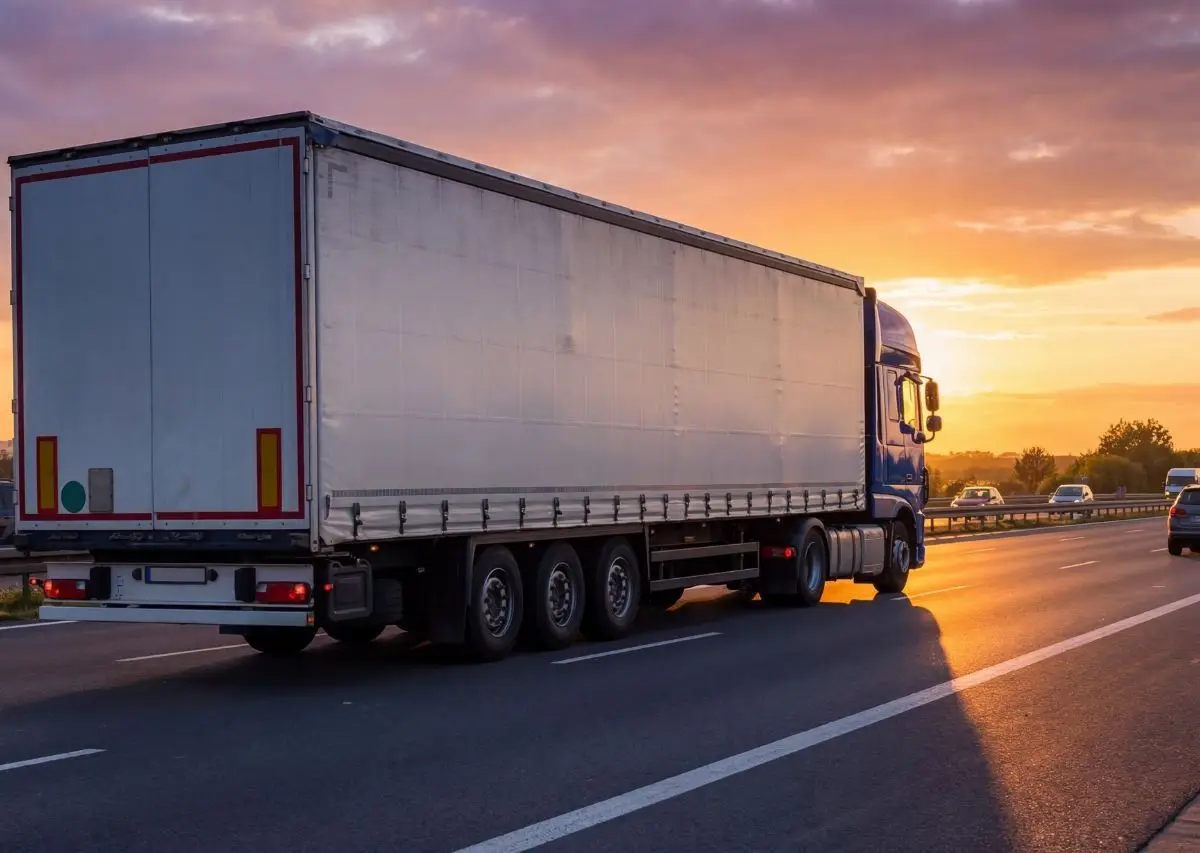
In a typical domestic intermodal move, a truck collects a loaded container at a warehouse or distribution center and carries it to an intermodal rail terminal. Specialized equipment transfers the container, not its individual contents, onto a railcar. At the destination terminal, another truck completes the final trip.
International routes may involve a ship as well as rail and trucking. Standard container dimensions and compatible handling equipment make transfers possible without routinely unpacking and reloading the freight at every interchange.
The truck portions are often called drayage. Even when the majority of a shipment’s mileage is by rail, those shorter truck trips remain an essential part of the journey.
Efficiency and Cost Savings in Freight
For suitable routes and shipment volumes, combining rail and trucking may reduce transportation costs compared with using a truck for the entire distance. Rail can move substantial volumes of freight over long distances, while trucks handle local pickup and delivery.
Savings depend on the route, available rail terminals, fuel prices, service schedules, container handling fees and the cost of local drayage. A shorter move or a shipment that needs especially rapid delivery may still be better suited to direct trucking.
Because cargo stays in the same container across transfers, there is generally less direct handling of individual packages than in shipping methods that require repeated unloading and reloading. Proper packing and load securement are still essential.
Environmental Impact and Sustainability
Rail freight can be more fuel-efficient per ton-mile than long-haul trucking on many routes. By shifting a portion of a long journey to rail, intermodal transportation may reduce greenhouse-gas emissions and some highway traffic.
The overall environmental result depends on factors such as distance, the truck legs, train utilization, equipment and terminal operations. Businesses comparing options should use route-specific information when possible rather than assuming the same emissions savings for every shipment.
- Rail or ship may carry the longer-distance portion of a shipment.
- Trucks provide flexible connections to origins and destinations.
- Containers can be transferred using cranes and other terminal equipment.
- Shipment tracking and coordination help manage the handoffs.
The Role of Drayage in the Supply Chain
Drayage refers to the shorter trucking leg that moves freight containers between ports, rail terminals, warehouses and nearby distribution locations. It connects customers who do not sit directly on a rail line to the larger freight network.
Timing matters: drayage carriers must coordinate pickup appointments, terminal operating hours, equipment availability and container return requirements. Delays at a terminal can affect the entire shipment, even when the long-haul rail leg is operating on schedule.
This is why experienced intermodal logistics providers pay attention to local trucking capacity as well as the rail or vessel portion of the route.
Overcoming Logistics Challenges With Technology
A single shipment may involve several carriers, facilities and scheduling systems. Transportation management software helps logistics teams track container locations, exchange documents and coordinate the next leg of the journey.
Electronic data interchange and other digital communications can reduce paperwork delays and improve visibility between shippers, truckers, rail providers and terminals. Tracking updates may not always be instantaneous, so businesses should ask what information their logistics provider can deliver and how exceptions are handled.
Capacity and Reliability in Peak Seasons
Intermodal service can give businesses another way to move freight when truck capacity is constrained or rates are elevated. Rail networks carry large shipment volumes, which may help shippers plan recurring moves across established lanes.
However, intermodal transportation does not guarantee faster delivery or perfect on-time performance. Terminal congestion, weather, rail service changes and drayage availability can affect schedules. Building realistic lead times and communicating delivery windows are especially important during peak periods.
- Ask about scheduled transit times and terminal cutoffs.
- Understand how container seals and cargo are secured and monitored.
- Confirm whether temperature-controlled equipment is available when needed.
- Check what happens if a shipment misses a terminal appointment or interchange.
Comparing Intermodal and Transloading
Intermodal shipping and transloading both combine transportation steps, but they handle cargo differently. In an intermodal move, the container is transferred between modes while the goods usually remain inside it.
With transloading, products are physically unloaded from one vehicle or container and reloaded into another, such as moving imported goods from an ocean container into a domestic truck trailer. This can add handling, but it may also offer flexibility for consolidating shipments, changing equipment or serving locations that do not fit a direct intermodal route.
Neither approach is automatically best for every shipment. The right choice depends on the cargo, schedule, route, handling requirements and total cost.
The Future of the Intermodal Industry
Rail terminals, ports and logistics carriers continue investing in automation, digital visibility, more efficient equipment and infrastructure improvements. These changes are intended to improve throughput, coordination and service reliability.
Technologies such as improved tracking systems and lower-emission trucks may also influence how local drayage works. Their availability will vary by market, so shippers should ask providers about current capabilities rather than assuming every innovation is already widely deployed.
Choosing the Right Logistics Partner
Before selecting an intermodal freight provider, compare its experience on your lanes, relationships with rail and trucking carriers, handling of terminal delays and visibility into the movement of your container.
Request a complete rate explanation that includes origin and destination drayage, line-haul charges, terminal handling and any potential storage or detention fees. Ask who is responsible for cargo protection, claims and communication if schedules change.
For commercial freight, intermodal transportation may be worth evaluating alongside direct trucking and other logistics options. The most suitable approach is the one that meets your route, budget and service requirements.
Streamline Your Business Relocation With Montford Movers
Intermodal trucking is primarily a freight-transportation system, distinct from the local household and business moving services most people arrange when relocating. Montford Movers helps customers with the practical work of moving homes, offices and business belongings in the Bluffton and surrounding Lowcountry area.
If you are planning an office or business move, explore our Commercial Moving Services or Office Moving Services. For help with your moving requirements, call (843) 439-5096 or email sales@montfordmovers.com to request a free same-day estimate.
Note: This overview explains the freight industry; it does not represent an offer of intermodal rail, container or drayage services by Montford Movers.
INTERMODAL SHIPPING AT A GLANCE
Truck, rail and sometimes ship work together
Cargo generally stays in one container
Drayage connects terminals and local destinations
Compare total cost, not just the rail rate
Allow time for terminal handoffs
Check tracking, handling and liability terms
PLANNING A BUSINESS MOVE?
LET’S PLAN YOUR RELOCATION.
For office and commercial moving services, tell Montford Movers about your location, schedule and needs.
PLANNING A BUSINESS OR OFFICE MOVE?
LET’S PLAN YOUR COMMERCIAL MOVE.
While intermodal trucking is a separate freight specialty, Montford Movers can discuss commercial and office moving services. Tell us about your location, schedule and moving needs.
QUESTIONS ABOUT YOUR MOVE?
YOUR MOVE STARTS WITH A PLAN.